Optimal Timing for Fiberglass Roof Repairs
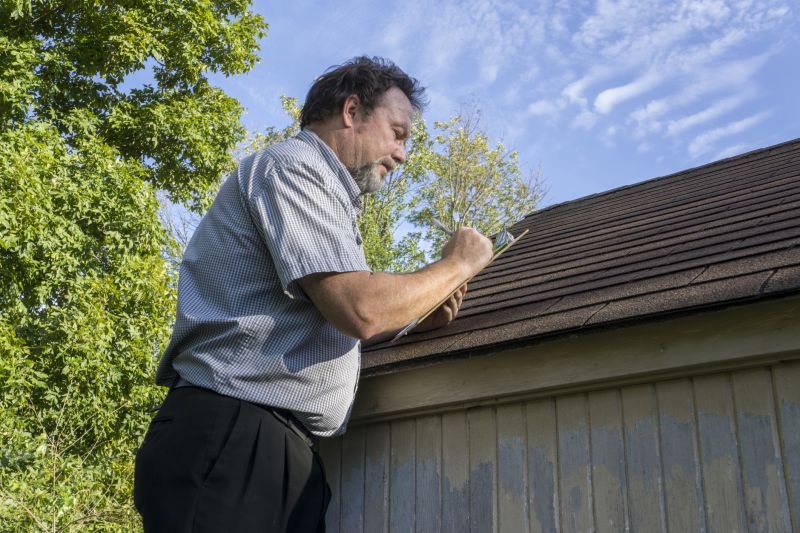
Spring offers moderate temperatures ideal for inspecting and repairing fiberglass roofs before summer heat causes further damage.
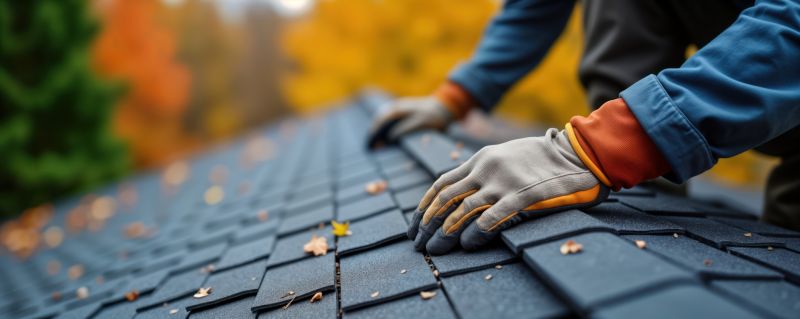
Fall provides cooler weather, making it suitable for repairs before winter conditions set in.
Dry seasons are optimal for fiberglass roof repairs, as moisture can hinder proper adhesion and curing.
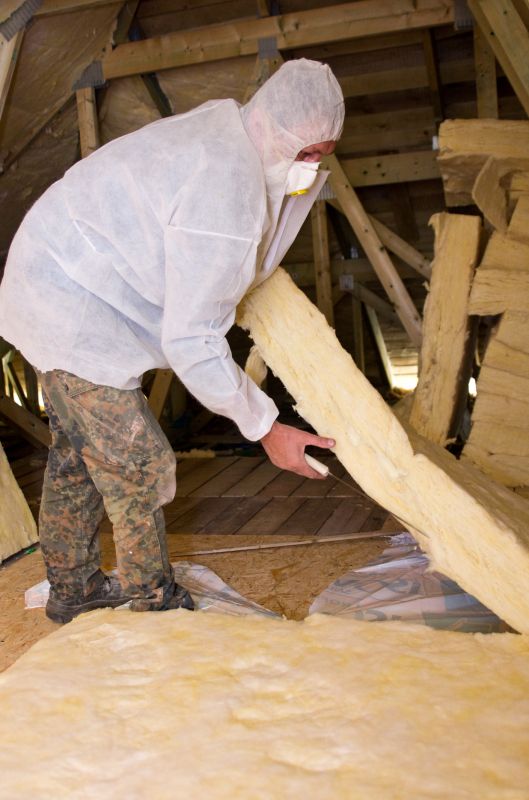
Ways to make Fiberglass Roof Repairs work in tight or awkward layouts.
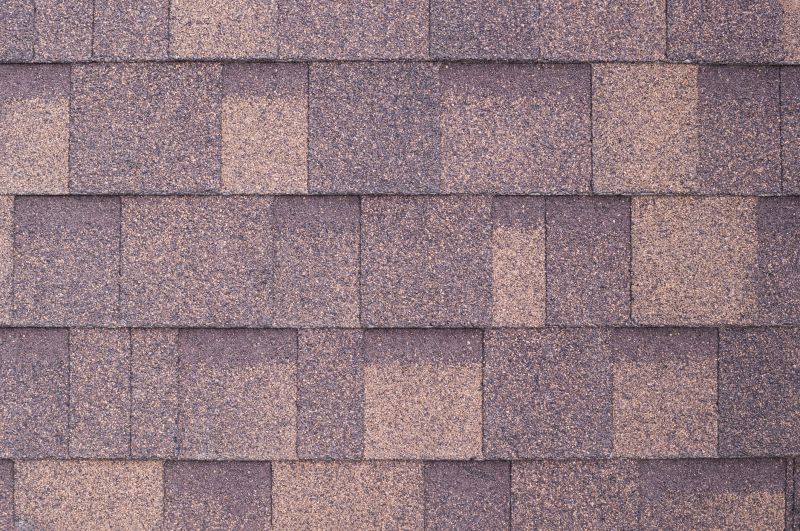
Popular materials for Fiberglass Roof Repairs and why they hold up over time.
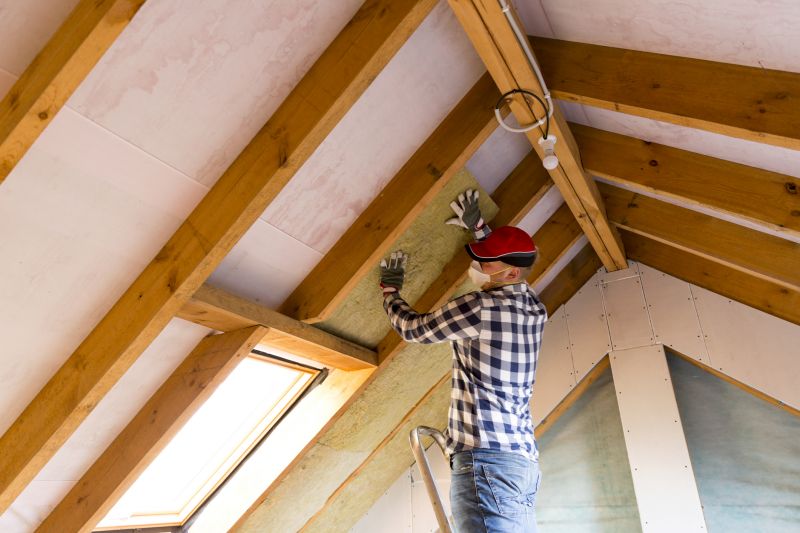
Simple add-ons that improve Fiberglass Roof Repairs without blowing the budget.
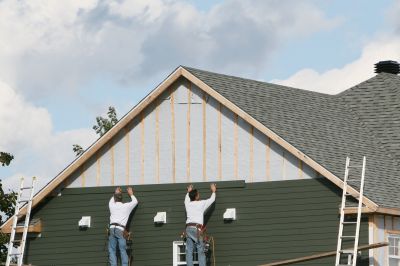
High-end options that actually feel worth it for Fiberglass Roof Repairs.
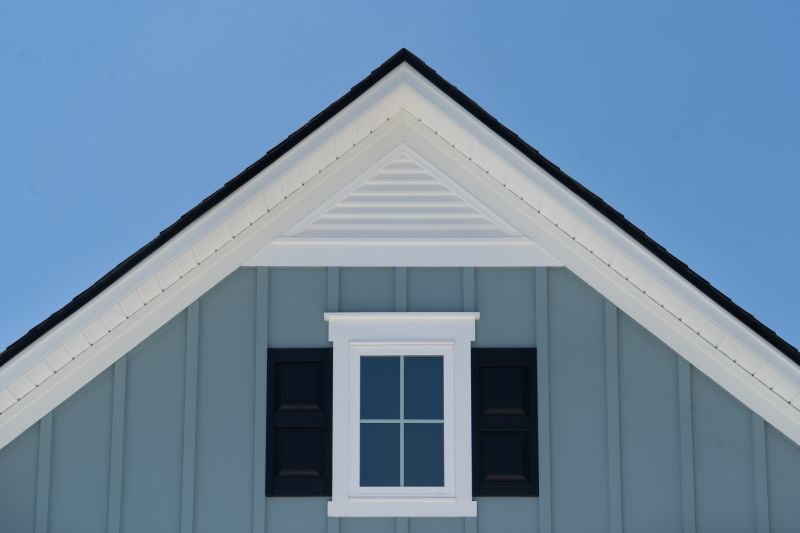
Finishes and colors that play nicely with Fiberglass Roof Repairs.
Fiberglass roof repairs are essential for maintaining the integrity and longevity of roofing systems. Fiberglass is a popular roofing material due to its durability, lightweight nature, and resistance to corrosion. Proper timing of repairs can prevent minor issues from escalating into costly replacements. Typically, the best time for repairs aligns with periods of moderate weather, avoiding extreme heat or cold, which can impact the curing process and adhesion of repair materials.
Extreme temperatures and moisture can compromise fiberglass repair quality, making timing crucial.
Spring and fall are preferred seasons for fiberglass roof repairs due to stable weather conditions.
Addressing repairs before winter helps prevent damage from snow and ice accumulation.
High summer temperatures can cause repair materials to cure improperly, reducing effectiveness.
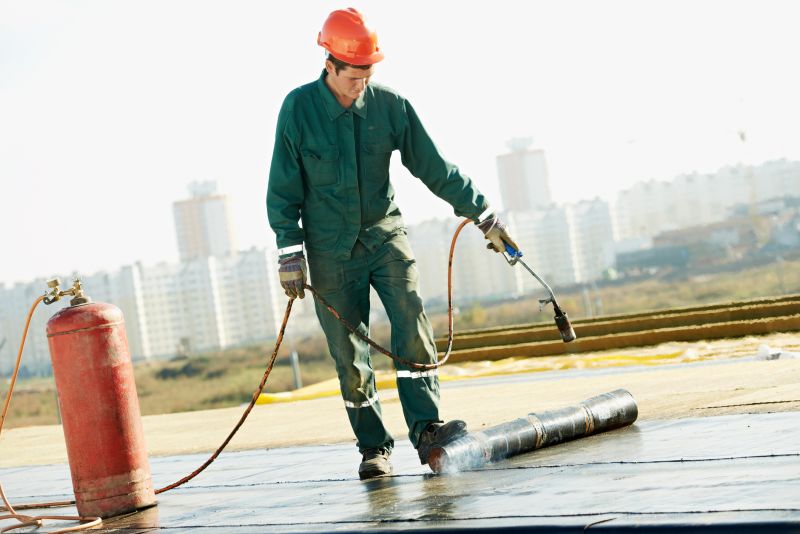
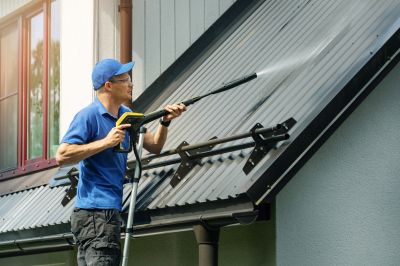
A technician applying fiberglass patching material on a roof surface.
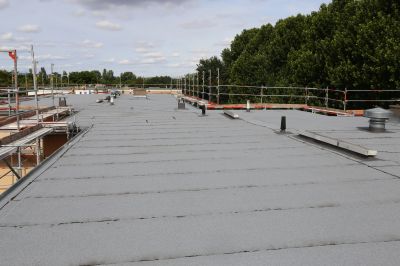
Clear skies and mild temperatures during repair work.
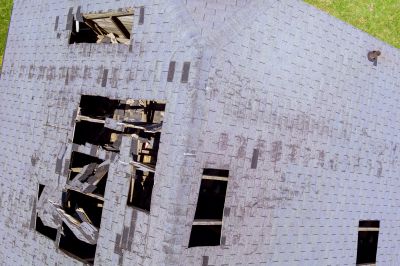
Comparison images showing repaired fiberglass roofing sections.
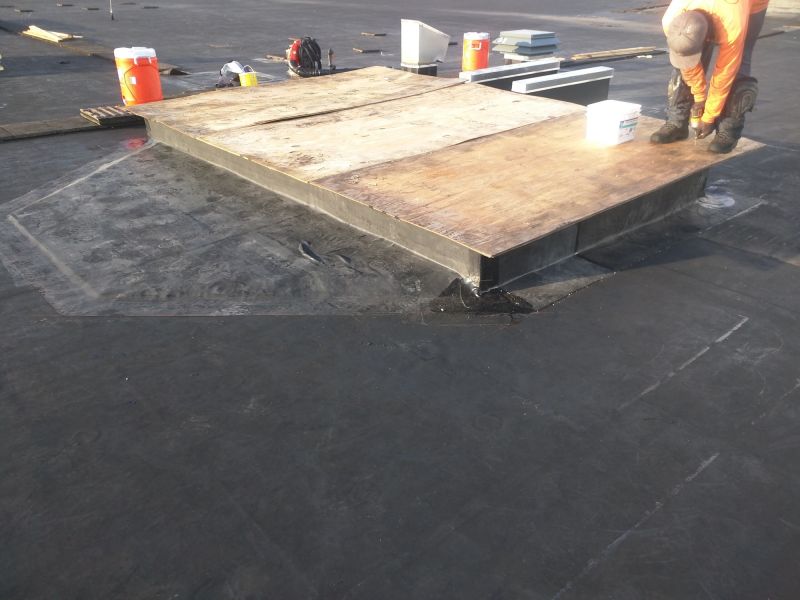
Specialized equipment and materials for effective fiberglass roof patching.
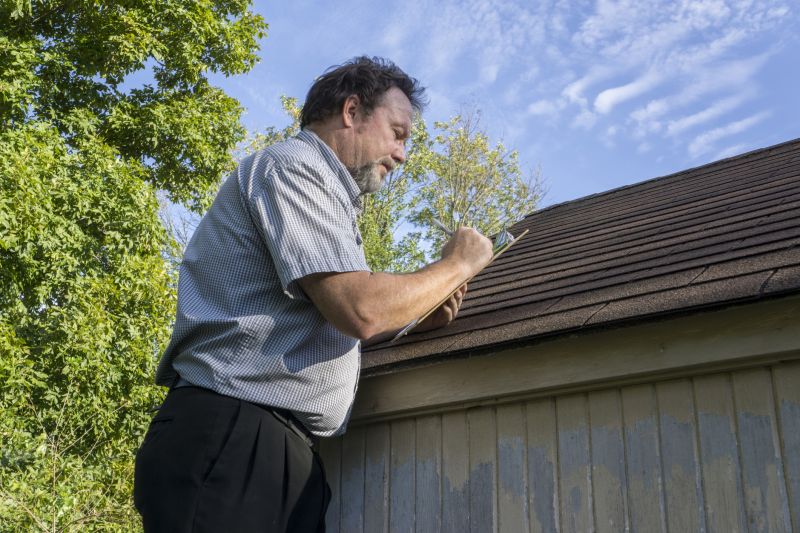
Assessing damage and planning repairs during optimal weather.
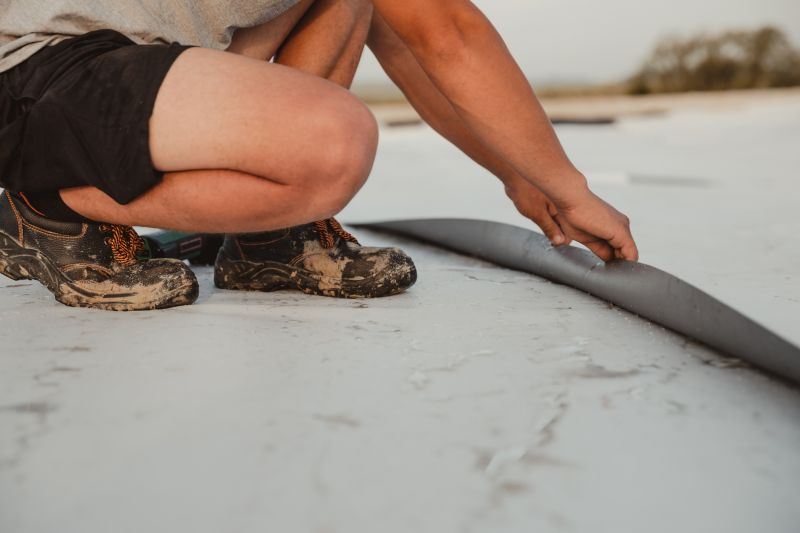
Ensuring proper curing by working in suitable weather conditions.
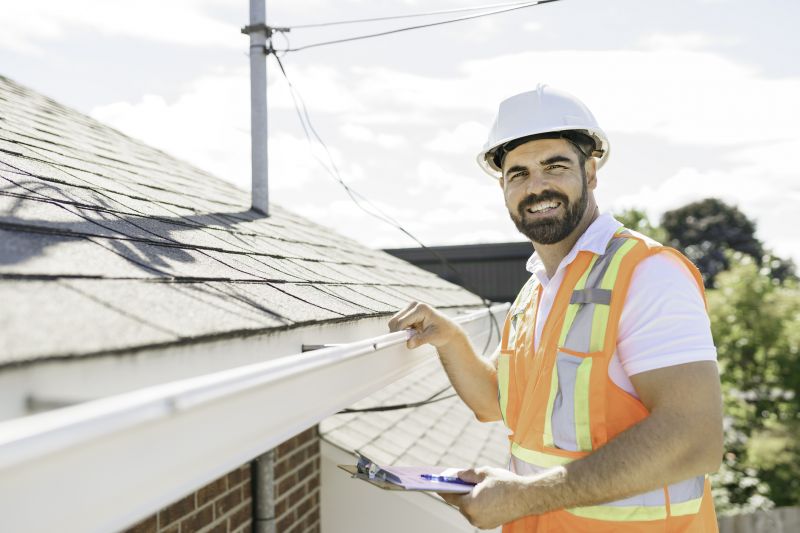
Verifying quality and durability after repair completion.
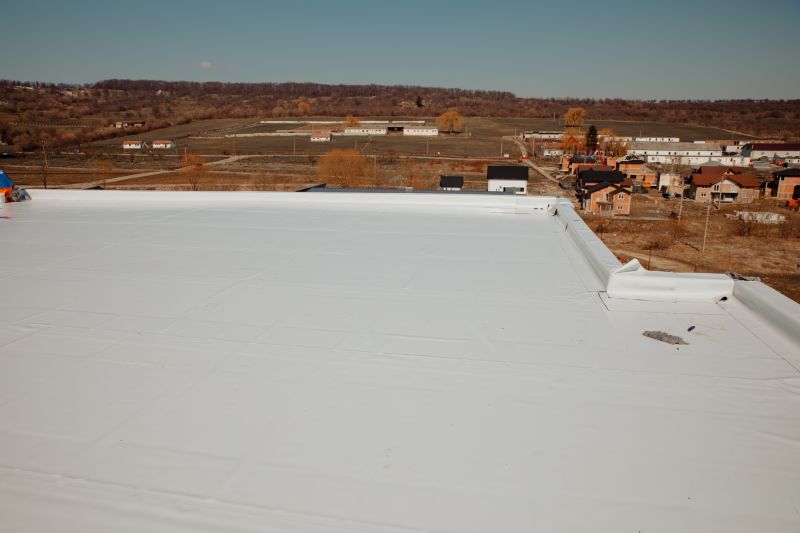
Routine checks to identify the best timing for upcoming repairs.
| Season | Optimal Repair Conditions |
|---|---|
| Spring | Moderate temperatures, low humidity, ideal for repairs. |
| Summer | High temperatures may hinder curing; avoid peak heat. |
| Fall | Cooler weather, dry conditions suitable for repairs. |
| Winter | Cold and moisture can impair repair adhesion; best to avoid. |
Understanding the optimal timing for fiberglass roof repairs can extend the lifespan of the roofing system and prevent costly damages. Repairing during favorable weather conditions ensures proper curing and adhesion of repair materials. Regular inspections and timely interventions are key to maintaining roof integrity and avoiding the progression of minor issues into major problems.
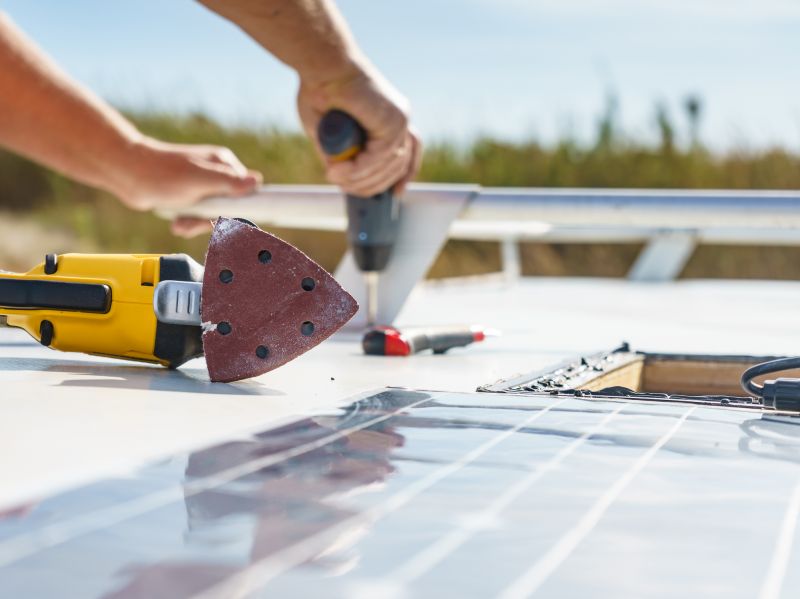
Technician applying fiberglass patch on a roof surface.

Repair work scheduled during optimal weather conditions.
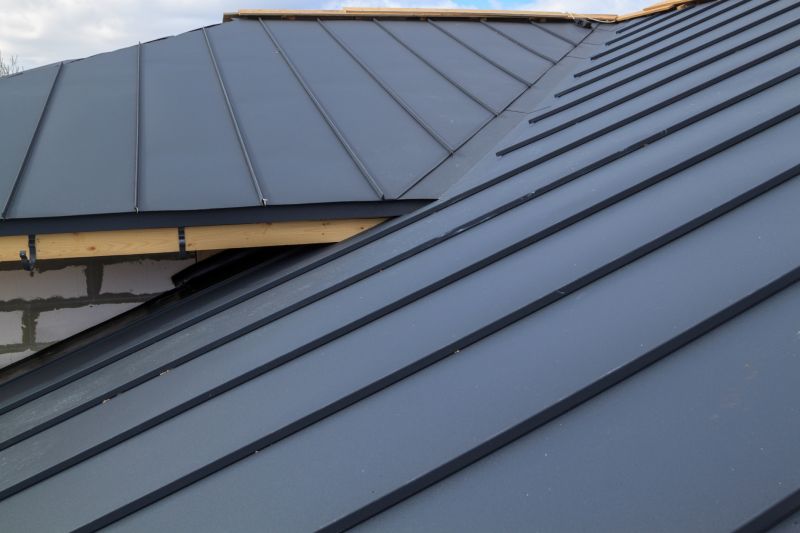
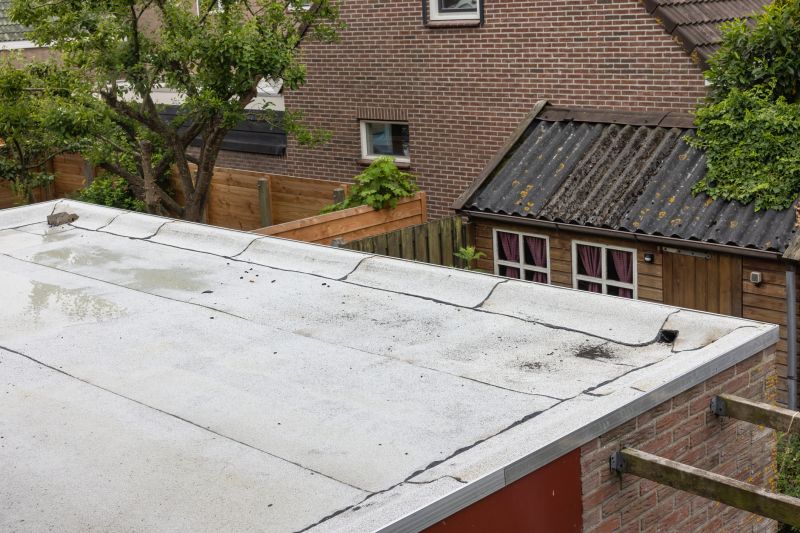
Finished repair with seamless integration.
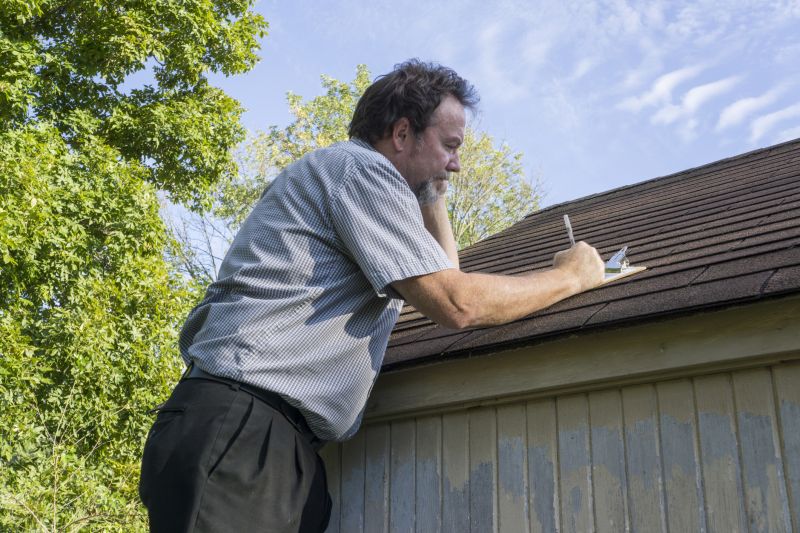
Ensuring quality and durability after repair.
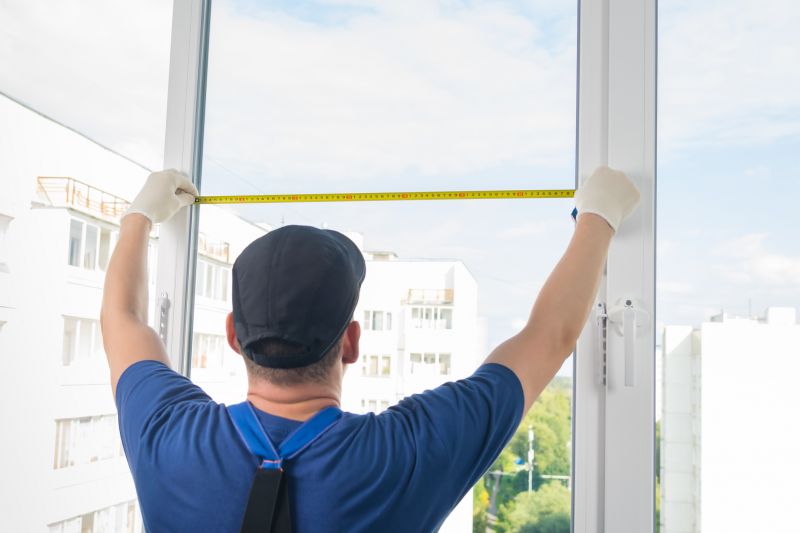
Little measurements that prevent headaches on Fiberglass Roof Repairs day.
A 60-second routine that keeps Fiberglass Roof Repairs looking new.
A frequent mistake in Fiberglass Roof Repairs and how to dodge it.
Small tweaks to make Fiberglass Roof Repairs safer and easier to use.
Interested parties are encouraged to contact for further information or assistance with fiberglass roof repairs. Proper timing and maintenance can significantly improve the durability and performance of fiberglass roofing systems, ensuring protection and longevity.